Wicked: Parallels to Salem
Wicked: Parallels to Salem
Over Thanksgiving break, I had the pleasure of seeing the new Wicked movie, which is an adaptation of the play that we watched a presentation of in class. As I watched the movie, I found it interesting to see themes from class that we have discussed brought to life.
One theme that stood out prominently throughout the film was scapegoating and othering, which mirrors what we saw in Salem. Elphaba, born with green skin, is marginalized and ostracized by nearly everyone she encounters, including her own father. At Shiz University, she is treated as an outcast, with students regarding her as a monstrosity. This societal rejection makes it easy for those in power, such as the Wizard and Madame Morrible, to later frame her as a villain. Similarly, in Salem, those who were already outsiders, whether due to social status, behavior, or appearance, were more likely to be accused of witchcraft. Despite Elphaba’s strong moral compass, her green skin becomes a symbol of evil, much like societal fears shaped perceptions of the accused in Salem. Another form of othering in the film is the campaign against speaking animals, portraying them as less worthy because they are not human, which reflects how societies marginalize those seen as different.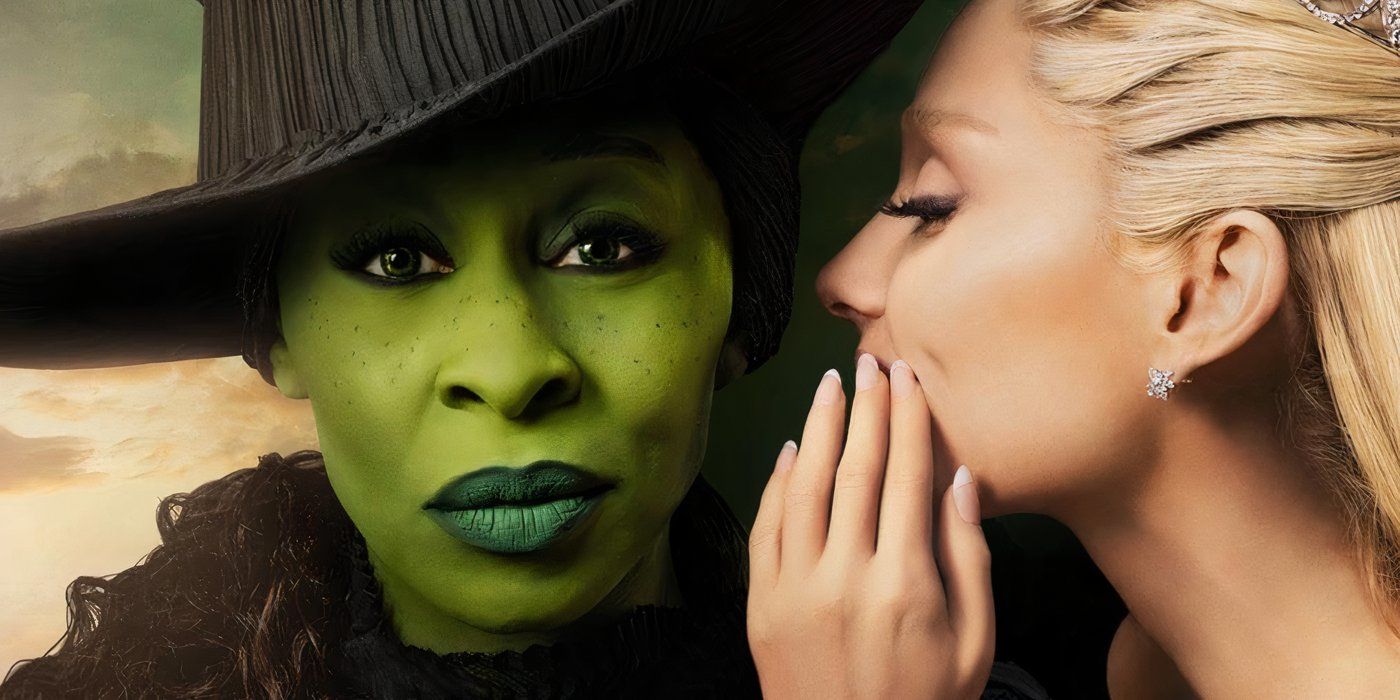
The theme of fear and hysteria also runs deeply through both Wicked and the Salem witch trials. The film opens with Munchkinland celebrating Elphaba’s death, burning a propaganda poster that paints her as a dangerous enemy. However, as the townspeople question Glinda about Elphaba, it becomes clear that they know little about her beyond the fear-based narrative they have been fed. This parallels Salem, where the persecution of accused witches was driven by fear and misinformation. In both cases, hysteria enabled communities to justify horrific actions against individuals who posed no real threat.
Power and corruption are central drivers of these events in both Wicked and Salem. In the movie, figures like the Wizard and Madame Morrible manipulate fear to strengthen their control, using Elphaba as a scapegoat to consolidate their power. Similarly, in Salem, religious leaders exploited the fear of witchcraft to reinforce their authority, making the townspeople more dependent on the Church for protection. In both instances, those in power create an enemy to distract from their own agendas, further fueling the hysteria.
Watching Wicked with these connections in mind made the experience far more engaging and thought-provoking. Without this class, I doubt I would have noticed the parallels between the story and historical witch hunts. Being able to recognize and understand these themes not only deepened my appreciation for the film but also highlighted how narratives of fear, power, and othering continue to resonate in stories and in history.


Comments
Post a Comment